Gigondas & Beaumes-de-Venise Private Wine Tour
A private wine tour of Gigondas and Beaumes-de-Venise, in Provence, with Sophie, your licensed guide: two cellars at the foot of the Dentelles de Montmirail.
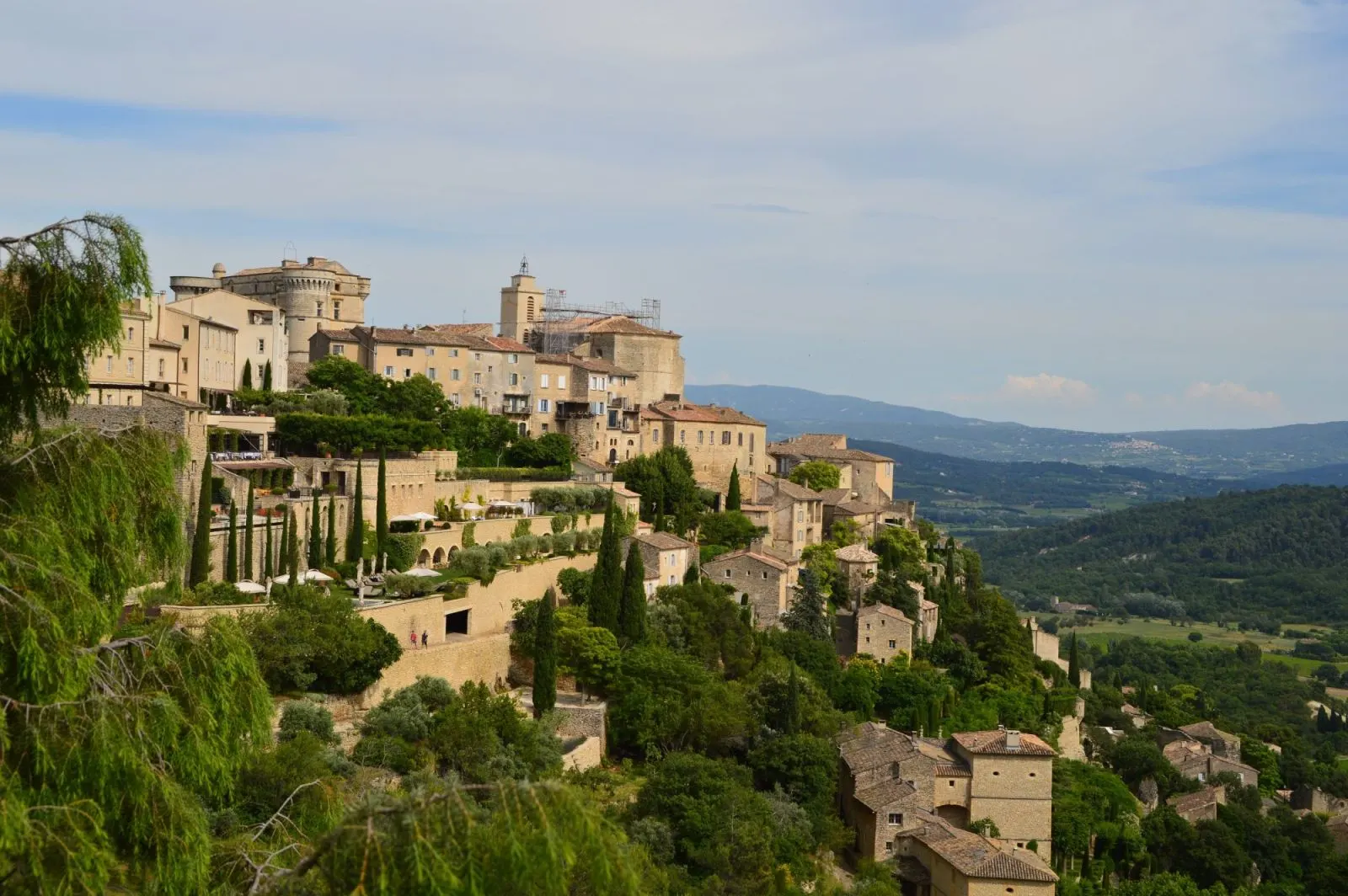
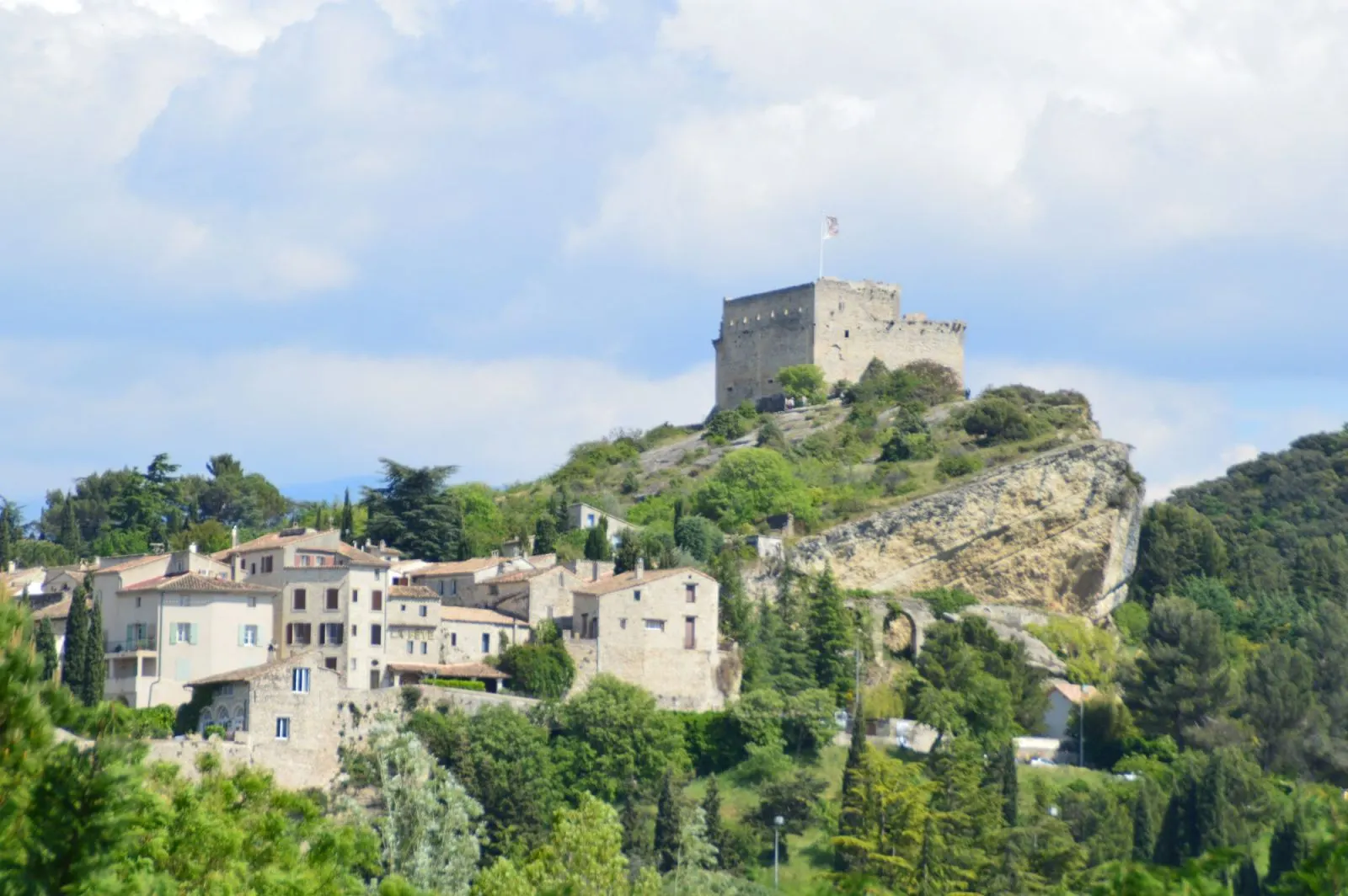
Located around Les Dentelles de Montmirail, the vineyards of Gigondas and Beaumes-de-Venise will take your breath away! Hills, vines, olive trees, and remote picturesque villages: you won't be allowed to forget your camera on that day.
On top of offering beautiful landscapes, these two "crus" have nothing to envy any other and have their own character. This region produces fantastic deep-coloured red wines, fine and elegant whites, as well as deliciously refreshing and fruity rosés.
The natural sweet wine "Muscat de Beaumes-de-Venise" can't be missed out as it has been grown in this area since the 1st century AD. Don't worry you won't be missing a drop of it!
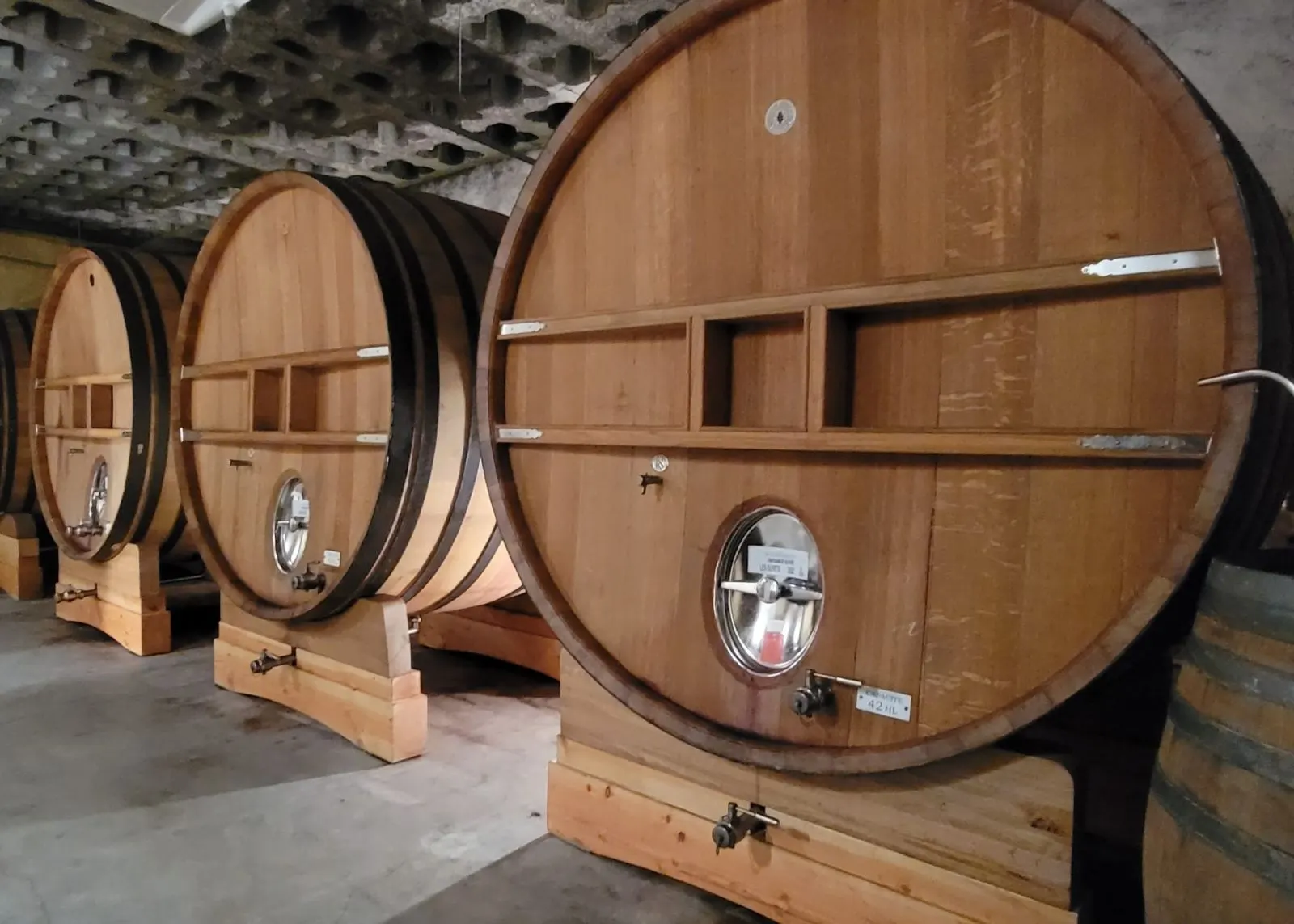
We visit two estates: one in Gigondas and one in Beaumes-de-Venise.
Two Crus, One Landscape
-
The Dentelles de Montmirail
Jurassic limestone · 734 m
Dentelles is French for lace. Horizontal strata of Jurassic limestone were folded upright, then eroded into sharp ridges and spikes. These foothills of Mont Ventoux peak at 734 metres, at Saint-Amand, and the vineyards of the Rhône surround their base.
-
Gigondas
Its own appellation since 1971
The name comes from the Latin jocunditas, great pleasure: the town is said to have been founded as a place of rest for soldiers of the Second Legion. Gigondas left the Côtes du Rhône-Villages to become an appellation of its own in 1971; its wines are mostly red, largely Grenache, from vines grown as high as 600 metres.
-
Beaumes-de-Venise and its Muscat
Muscat appellation since 1943 · red cru since 2005
The natural sweet Muscat de Beaumes-de-Venise received its appellation in 1943; the red Beaumes-de-Venise reached the rank of cru in 2005. In the early 14th century, its production grew to supply the Popes' Palace in Avignon.
It is made from a single variety, the small-berried Muscat, ripened by the warmth that the limestone slabs of the Dentelles reflect onto the vines.
Some Facts and Figures about Beaumes-de-Venise
The first muscat grapes were planted by the Greeks in 600 BC who settled in the region. Pliny the Elder (23-79 AD) mentioned in his "Natural History" the existence of the muscat grape that had been cultivated for long in Beaumes-de-Venise and gave a remarkable wine.
In 1248 Saint Louis took some with him during one of his crusades. And in 1309 Clément V, first pope in Avignon to be supplied with muscat, helped to develop the production as all the popes after him were to follow his example. Needless to say that the existence of muscat and wine in the Beaumes area is deep-rooted in its history.
However the natural sweet wine of Beaumes-de-Venise had to wait until 1943 to be granted the status of cru, the reds (no whites) were to reach that rank years later: in 2005.
The appellation of Beaumes-de-Venise is located at the foot of the Dentelles de Montmirail mountains and it is composed of three different types of terroir: gypsum mottled marl (clay and limestone combination), gravel and silt - with sand and safres (more or less compacted sandstone) below, limestone scree and river rocks.
The varieties allowed are grenache (50% of planted vines) syrah (25%), and secondary varieties such as cinsault, carignan and counoise as well as white grape varieties which are allowed to reach up to 10% of the final blending. The yield is low and controlled and cannot exceed 38hl per hectare.
Harvesting is exclusively hand-picked. Chemical weeding is forbidden as well as specific anti-botrytis treatments, enrichment methods and thermo flash winemaking. There are about 100 producers for a production surface area of 629 hectares, which makes it a rather small appellation. The terroir includes the villages of Beaumes-de-Venise, Lafare, La Roque-Alric and Suzette.
The AOP produces deep coloured, elegant and fruity red wines with black and red berries aromas together with peppery notes.
As for the muscat AOP composed of a 100% muscat petit grain variety, you are more likely to find it in white and rosé although some old red plants have survived and constitute a very rare nectar. The yearly production is 12 000 hectolitres with a surface of 500 hectares and a yield not exceeding 30 hectolitres per hectare.
They offer a rich and powerful nose with rose, mango, lychee, peach, apricot, honey notes. Although sweet, the muscat from Beaumes-de-Venise is very well balanced and dominated by freshness.
Sophie
The Experience
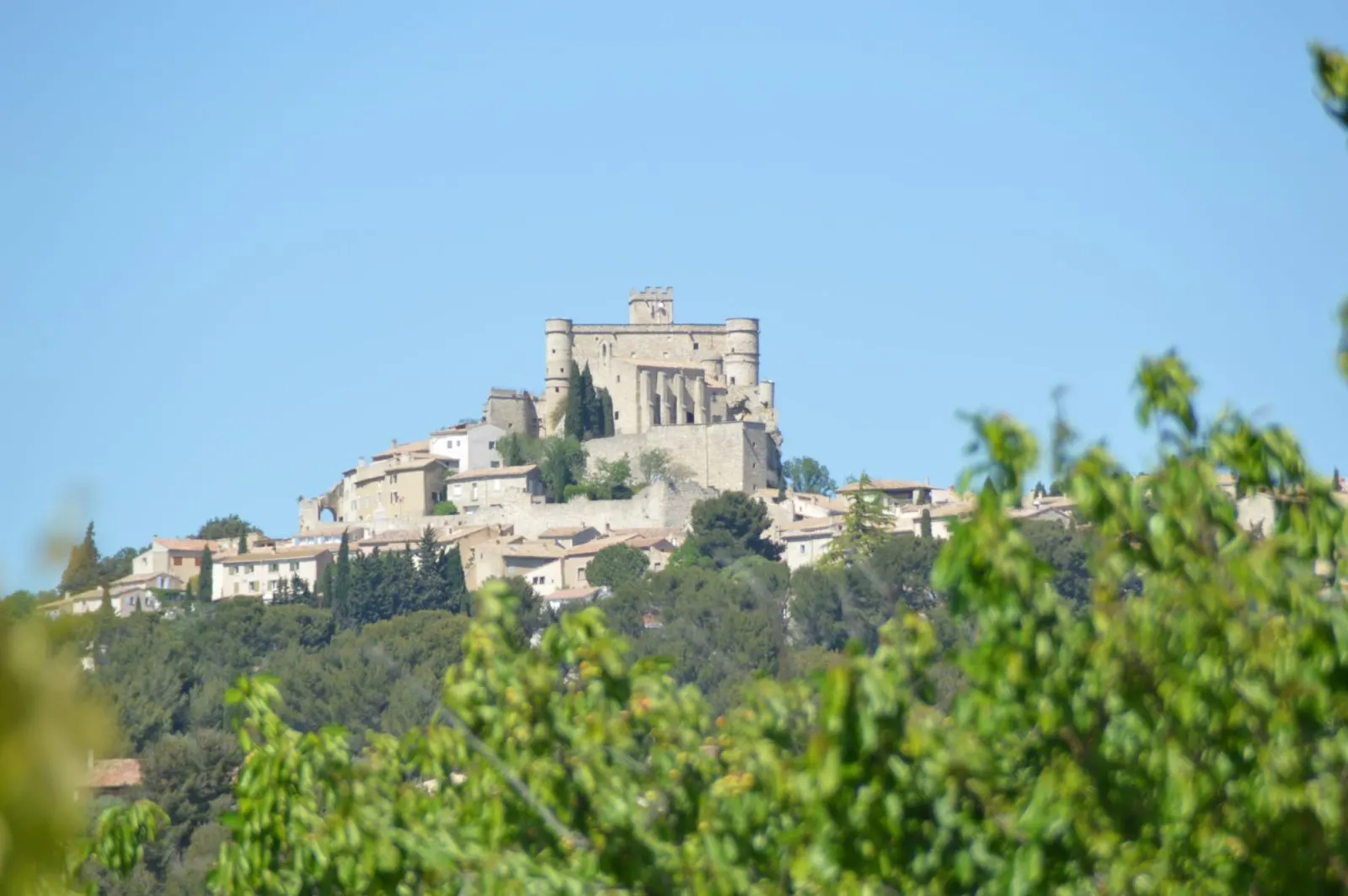
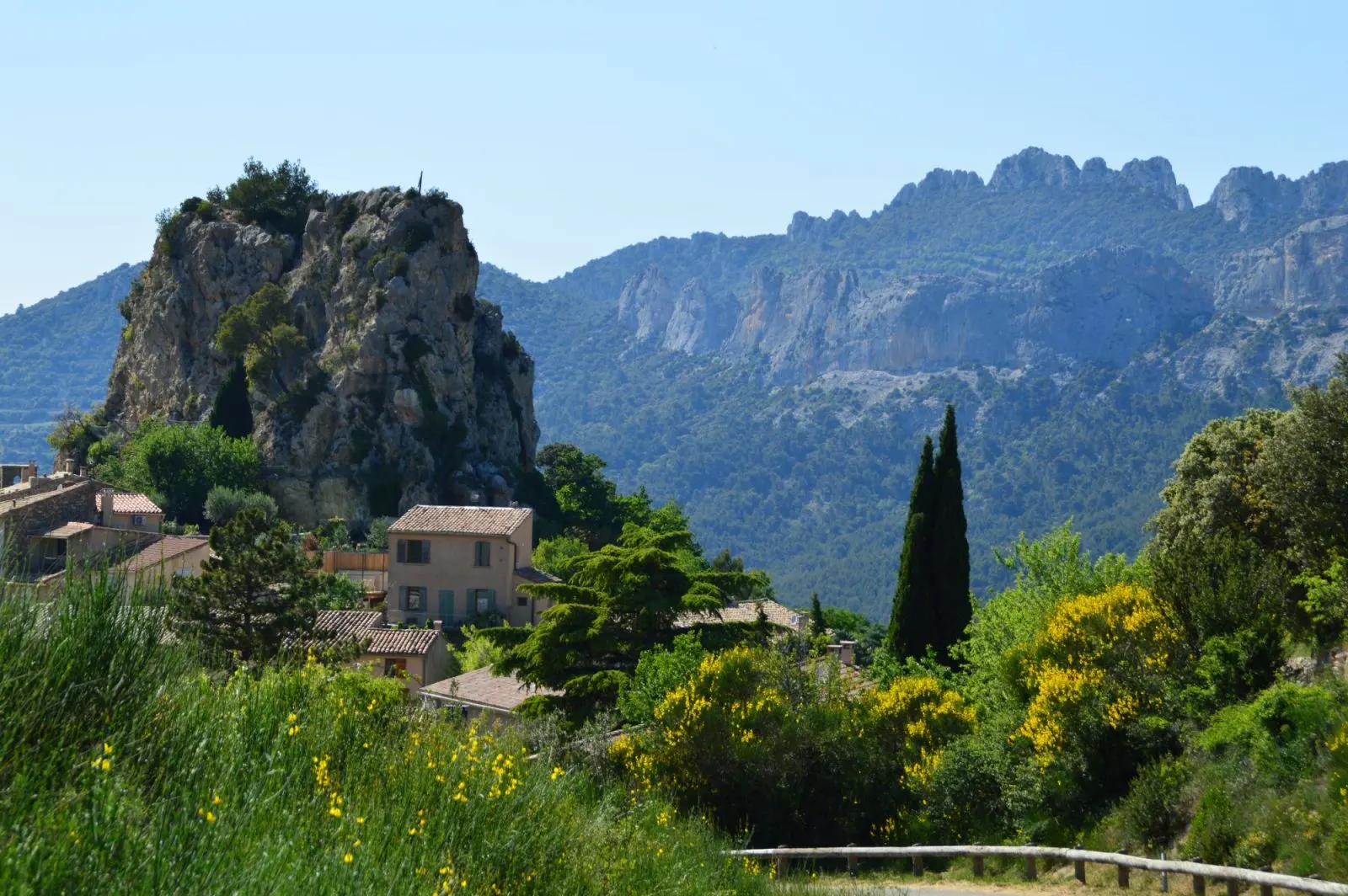
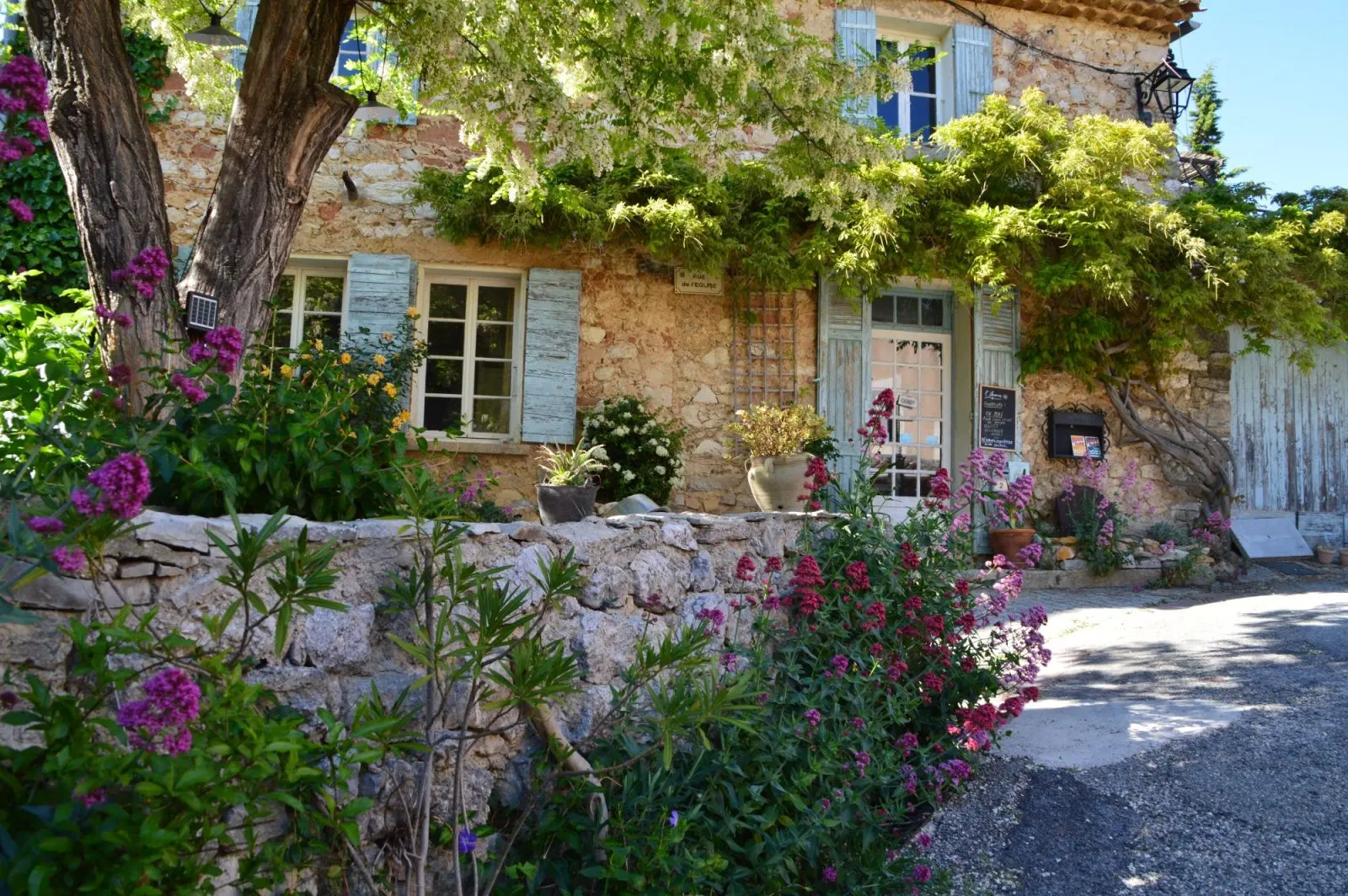
Sophie's Reels
-
This reel is hosted by Instagram (Meta), which sets cookies.
Gigondas
Watch on Instagram: Gigondas
Meeting Point
Gigondas or Beaumes-de-Venise, or Orange
Best Season
Spring to Autumn (Weekdays)
Languages
English & French
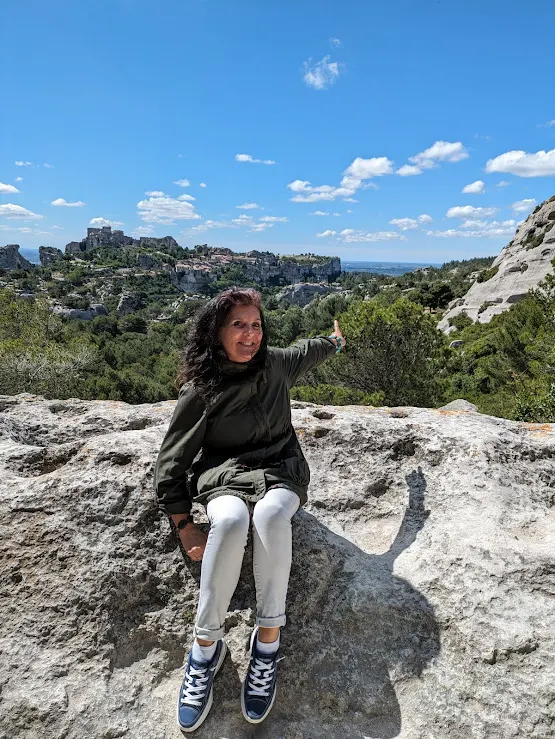
Sophie, Born in Provence
Sophie was born in Provence, in the black truffle and Grignan-les-Adhémar region. She started Travel In Provence in 2016 as a wine tour guide, then became a licensed history guide. She holds the WSET (2016) and the French Wine Scholar (2021, Wine University of Suze-la-Rousse), and is featured in Rick Steves' Provence & the French Riviera guidebook (2023 edition onward).
Food, wine and history are her passions: her tours mix off-the-beaten-track places with the must-sees that cannot be missed.
“I'm only 8 kilometres away from Châteauneuf-du-Pape and 15 kilometres from Gigondas, Beaumes-de-Venise, Vacqueyras, and many other Southern Rhône crus. I worked with three big cellars in Châteauneuf-du-Pape for over three years, and have relatives in the Beaumes-de-Venise area that produce wine.”SophieMore about Sophie →
Good to Know
How long does the tour last?
4 hours.
Is the tour private, and for how many people?
Yes: every tour is private and tailored to your group. This one is for 1 - 4 people.
Where do we meet?
Gigondas or Beaumes-de-Venise, or Orange.
How do we travel?
In Sophie's air-conditioned SUV, a Kia Sportage, with four seats for you, plus Sophie. You can also follow her in your own car.
Can Sophie pick us up anywhere?
Sophie picks you up in Orange, or directly at a place that is part of the tour (for example, your hotel in Arles for the Arles tour). If you are staying elsewhere, she can arrange a private driver (VTC) at your expense. Tour prices do not include transport.
How much walking is there?
The tours are not recommended for young children or for people with reduced mobility: expect stairs and some difficult paths, and the level depends on the tour.
How do we pay?
By bank transfer one month in advance, or on the day.
How much does it cost?
4 hours, 2 cellars: 550 €, per group.
Can we come at the weekend?
No: this tour is available on weekdays only.
How many estates do we visit?
Two: one in Gigondas and one in Beaumes-de-Venise.
Which wines will we taste?
Deep-coloured reds, fine and elegant whites, refreshing and fruity rosés, and the natural sweet Muscat de Beaumes-de-Venise.
What is not included in the price?
Lunch at a local restaurant · Tasting fees at specific estates.
When is the best time to go?
Spring to Autumn (Weekdays).
Which languages does Sophie speak?
English and French.
How do I book?
Write to Sophie or call her: her email and phone number are on the Prices & Reservation page, with the price of every tour.
Ready to Experience Gigondas & Beaumes-de-Venise Private Wine Tour?
Every tour is private and tailored to your group.
Get in Touch with Sophie →